
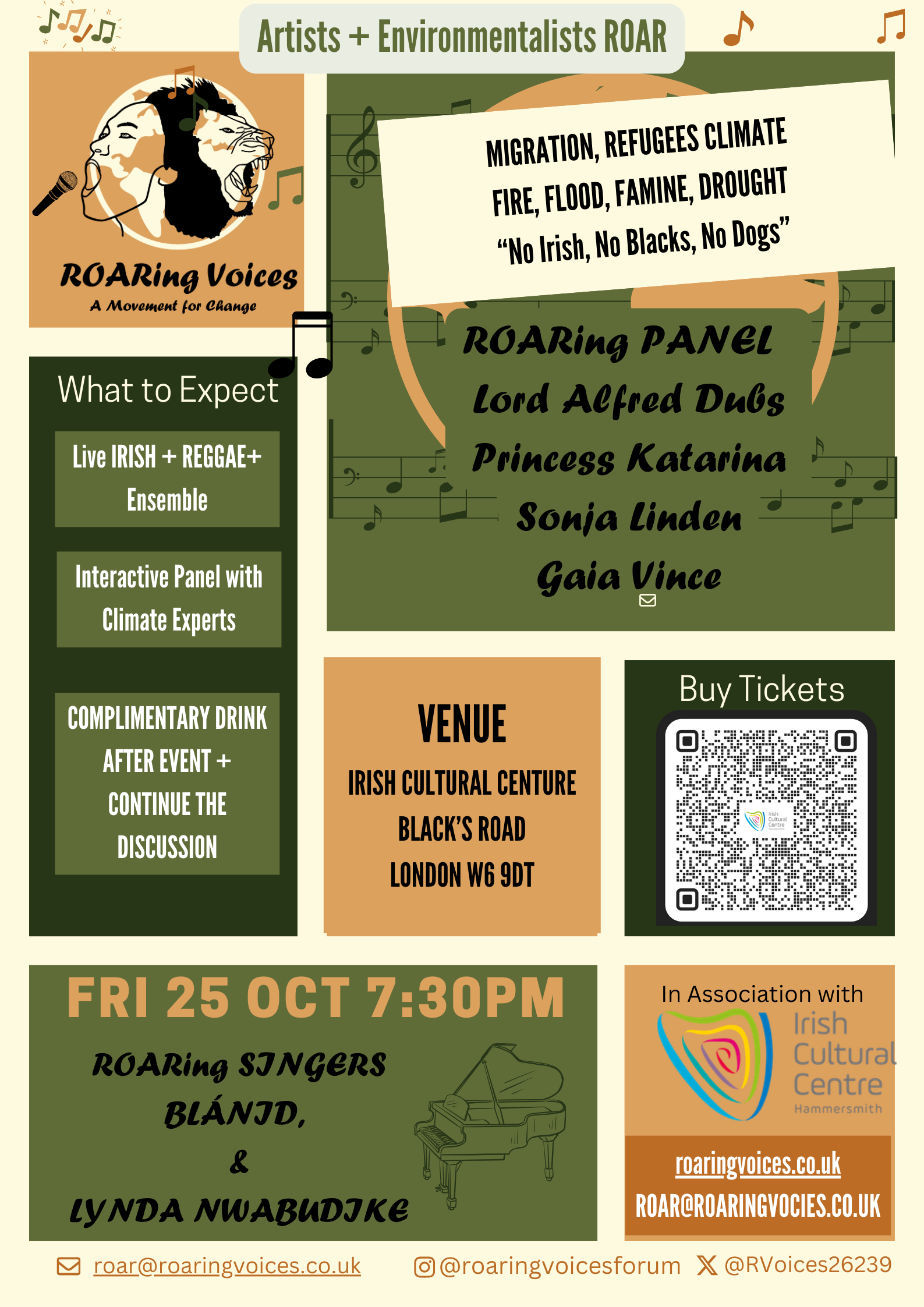




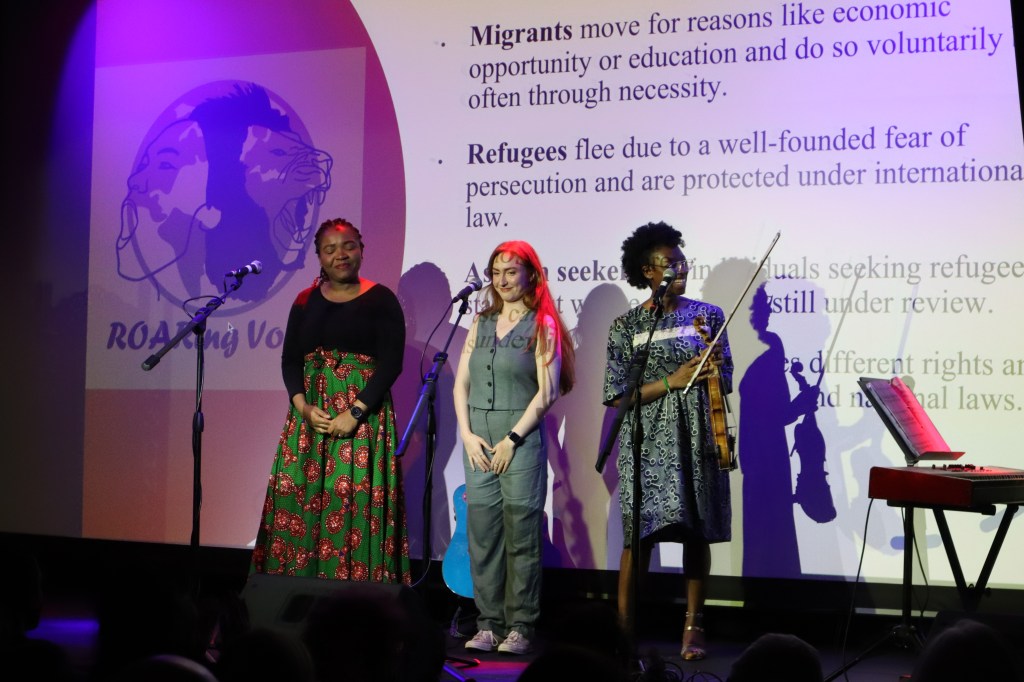
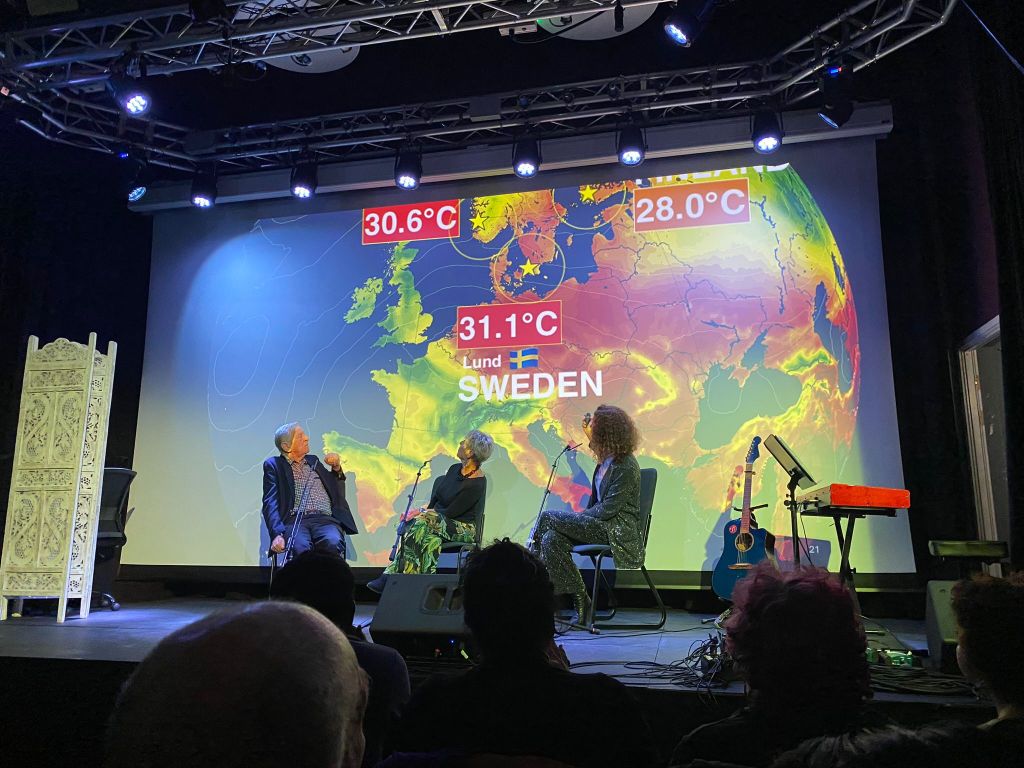
Climate migration is “a matter of life and death.” Scientific journalist GAIA VINCE @WanderingGaia said to @MonaKAbdi about her new book, “Nomad Century: How Climate Migration Will Reshape Our World.”
1. Changing Weather Patterns
- Increased Rainfall and Flooding: Ireland is already experiencing increased rainfall, particularly during the winter months. This leads to more frequent flooding, especially in low-lying areas and along riverbanks. Towns like Cork, Galway, and Dublin have faced significant flood events in recent years.
- Storms and Extreme Weather: Ireland has been hit by increasingly severe storms, including hurricanes like Ophelia in 2017 and Lorenzo in 2019, which caused widespread damage and disruption.
2. Rising Sea Levels
- Coastal Erosion: Rising sea levels pose a significant threat to Ireland’s coastline. Coastal erosion is already affecting areas such as County Clare, where iconic cliffs and beaches are being eroded at a faster rate. Vulnerable communities in low-lying coastal areas may face displacement in the coming decades.
- Tidal Flooding: The combination of rising sea levels and stronger storm surges is leading to more frequent and severe tidal flooding in coastal cities and towns, putting infrastructure and homes at risk.
3. Impact on Agriculture
- Changes in Growing Seasons: Ireland’s agricultural sector, which is a significant part of the economy, is sensitive to changing climate patterns. Warmer temperatures and altered rainfall patterns are impacting growing seasons, crop yields, and livestock farming. Unpredictable weather makes farming more challenging, affecting food production and prices.
- Grassland and Pasture: Ireland’s dairy and beef industries rely heavily on grass-fed livestock. Changes in precipitation patterns, with more droughts or excessive rainfall, can impact pasture quality and reduce grass growth, thereby affecting livestock health and productivity.
4. Biodiversity Loss
- Threats to Ecosystems: Climate change is putting pressure on Ireland’s ecosystems, including its peatlands, rivers, and coastal habitats. Rising temperatures, changing precipitation patterns, and extreme weather events can lead to habitat loss and biodiversity decline. Species like the Atlantic salmon and native flora are particularly vulnerable.
- Marine Ecosystems: Warming sea temperatures are affecting marine life, particularly fish stocks. This could impact Ireland’s fishing industry, as species move or decline in numbers due to changing ocean conditions.
5. Energy and Infrastructure
- Renewable Energy Expansion: Ireland has significant potential for renewable energy, particularly wind power, and the government has set ambitious targets for reducing carbon emissions. However, transitioning to a low-carbon economy requires substantial investment in infrastructure, including the expansion of renewable energy sources and upgrading the national grid.
- Climate Resilience: Ireland needs to invest in climate-resilient infrastructure, including flood defenses and resilient transport systems. The impact of climate change on roads, railways, and utilities is becoming more evident as extreme weather events become more frequent.
6. Social and Economic Impacts
- Economic Vulnerability: The cost of addressing climate impacts, such as flood damage, agricultural losses, and energy infrastructure upgrades, poses economic challenges for Ireland. This is coupled with the need to meet climate commitments and reduce carbon emissions as part of the EU’s climate goals.
- Climate Migration: While Ireland is not yet experiencing large-scale climate migration, it may face future challenges related to migration flows from other parts of the world affected by climate change, such as Africa and Asia. This could strain social services and infrastructure if not properly managed.
7. Policy and Adaptation
- Government Action: Ireland has committed to ambitious climate goals, including reducing carbon emissions by 51% by 2030 and achieving net-zero emissions by 2050. The government has introduced various measures, such as carbon taxes and incentives for renewable energy, but achieving these targets will require continued effort and public support.
- Adaptation Strategies: Ireland is also working on climate adaptation strategies to address the impacts of climate change. This includes flood defenses, coastal protection measures, and investments in sustainable agriculture.
Conclusion
The climate crisis poses significant challenges for Ireland, from rising sea levels and extreme weather to threats to agriculture and biodiversity. While the country is taking steps to mitigate and adapt to these impacts, continued efforts are needed to ensure resilience in the face of a changing climate. Ireland’s experience with climate change is part of a broader global challenge, and its actions will contribute to both local and international efforts to combat the crisis.
 ROARing Voices